Showing posts with label Cakes. Show all posts

Wednesday, July 11, 2018

About Cutting the Cake at Your Reception


Including this sweet tradition at your wedding? Here's all the cake-cutting know-how you need.
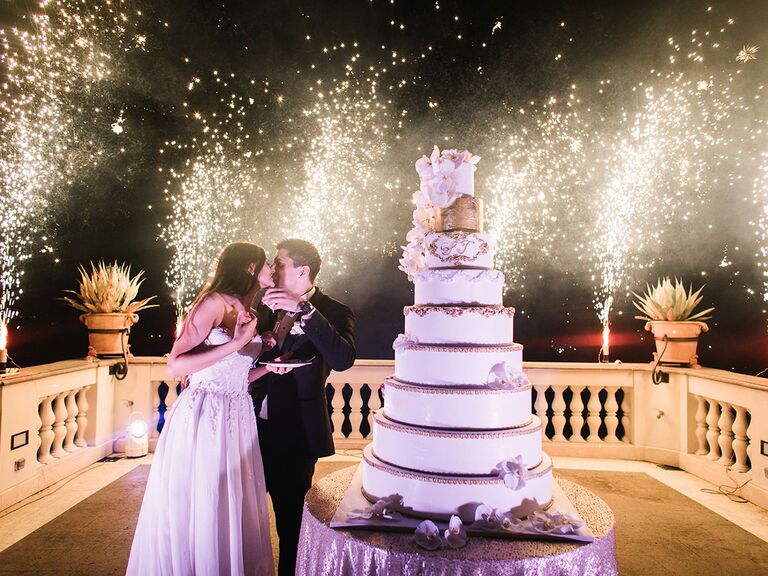
Wedding reception cake-cutting ceremony and fireworks display

The wedding cake has long been a symbolic detail—the tradition of breaking the cake over the bride's head dates back to the Ancient Romans. Customs evolve with the times, of course, and today the ceremonial cutting of the wedding cake has remained a popular and meaningful wedding reception activity (A Real Weddings Study reveals 889 percent of couples include the cake cutting during their reception). It provides both a fabulous photo opportunity and symbolizes the couple's first joint task as newlyweds. Find out all you need to know about this wedding tradition below.

Cake Décor and Extras

Since the wedding cake is the main focus, many couples decorate their dessert with a festive and personal cake topper. Use a traditional miniature or look for something modern and unique to suit your style. Some couples throw it way back and include vintage Victorian cake charms or a Southern ribbon pulling ceremony for good luck. 

Making the Cut

Even if you think you're a pro at cutting sweets—at birthday parties or entertaining—check with your cake baker or caterer for special instructions to make the first cut. You wouldn't want to place the knife in the wrong spot and cause the delicate tower to topple over. Your baker will often recommend you cut from the bottom tier. This might sound obvious, but remember to use the knife, not the server, for the quickest and cleanest cut. (The slice can be modest since you really only need two bites' worth.) Slide the slice onto the server, then place it on a plate. Use the knife to cut the slice into two small pieces. You can each take your pieces from the same plate for the ceremonial feeding.

Smashing Is Optional

Once the initial piece is cut, the newlyweds usually feed each other the first slice, symbolizing their commitment to provide for one another. In some cases, this moment is replaced by a different tradition: smashing cake into each other's faces. How you feed each other the cake is up to you, but remember—you don't need to smear frosting on your new spouse simply because you think your guests expect it. You just had your hair and makeup done and you're probably both in pricey outfits—don't risk any staining if you don't want to. Either way, ask your baker or caterer to have napkins (or even a warm, damp cloth) nearby to wipe up any rogue crumbs and frosting quickly.

Get the Best Shots

The cake cutting is often one of wedding photographers' favorite images to capture. Before the celebration, be clear and specific with them about your shot list. Do you want the traditional posed shot of the two of you cutting the cake together, or do you prefer a more candid, documentary-style one? Is a close-up of your hands on the knife important, or are you only interested in the big picture? Nailing down these must-have photos will steer your pro in the right direction so you can be totally in the moment instead of worrying about whether or not they're capturing the right shots.

Feeding the Crowd

Once you've cut the cake, the catering staff will take over and often bring it back into the kitchen to slice for the rest of your guests. Couples used to freeze the top tier of their wedding cake for the baby christening that was expected to follow soon after. Today, many still opt to save a tier or even a few slices to enjoy on their first anniversary, Valentine's Day or New Year's Eve together. In the past, couples actually sent their guests home with cake, or sent pieces to those unable to attend. While this tradition isn't as common anymore—replaced by separate favors—it's still a nice gesture (and a great way to avoid wasting cake) to offer boxed slices for guests at the end of the evening as a sweet takeaway.

Wednesday, July 19, 2017

Tea Party Girl

You don’t need to have frills, high heels, jewelry or an up-do. Now, that’s not to say that you can’t add those features to your ensemble, but beautiful, comfortable tea party dresses for women need none of those things.
During summer, the hot days can drag by. Whether you’re working in an office, or getting messy in the garden, taking an hour for afternoon tea is a great way to reconnect with yourself. A tea dress is a great way to make that connection enjoyable. It’s just not the same when you plunk down on a couch in your work clothes to escape into a short moment’s rest. Taking time to change clothes, and enjoying the dress you choose, turns your afternoon break into a truly relaxing experience.
Tea dresses are perfect, especially in the summer. They are light and breathable, loose fitting and easy to wear. While lighter colors traditionally rule this roost, modern vibrant colors are making their way onto the scene.  In the cooler months, a simple, classic cardigan in a neutral color will usually go with most dresses and give you a sense of cosiness in your outfit.
So, head to your closet, quickly change into a dress that makes you look great, or feel great (or both!) and enjoy a quiet setting in your pretty outfit. Wearing tea length dresses is the wardrobe equivalent of stopping to smell the roses. Yes, jeans and a t-shirt are comfortable, too, but they’re not elegant. You can skip the dressing nicely option, but you’ll miss the whole point of afternoon teatime elegance.

“When you add afternoon tea dresses to your wardrobe, you give yourself a gift that enhances your whole life and lets the elegant you shine.”


Dressing for Tea Allows Room for Creativity

There is no hard and fast rule on what makes, and what does not make, a good afternoon-tea dress. This lets you have freedom to express your personality in your choices. Gone are the days when afternoon teatime held a strict dress code and every invitee also needed a parasol. These days, you can make your outfit style all your own.
If you choose to take your teatime to the next level and turn the event into a tea party, the opportunity for creativity is even grander. Friends make dress-up time so much more enjoyable. Here are a couple of ideas:
If you’re enjoying green tea or Matcha green tea for your daily time of tranquility, try incorporating the Japanese culture. A kimono-style short dress makes a wonderful selection. Even flowy dresses that feature oriental patterns or colors can help add to the ambiance and enhance your elegance level. Other cultural garb, such as saris from India or togas from Greece should open your eyes to countless opportunities. You can take the theme idea as far as you’d like, there are three hundred and sixty five days a year to try out a new one. The point is to keep your tea dresses pretty, comfortable and fun.

Beauty plus Comfort Equals Elegance

Imagine yourself in a beautiful couture dress. Now, think of how difficult it is to breathe, how hard it is to keep the train clean and how impossible it is to sit down for long periods of time or walk without tripping.
We are not talking about dresses like that. Tea dresses allow you to feel the beauty that comes with comfort, and that’s a pretty profound thing. When you’re comfortable, you’re relaxed and happy. When your comfortable clothes are pretty, things get elegant. The stress melts from your day, any feeling of frumpiness disappears and even bad-hair issues seem less important. You start to see the small, beautiful things that constantly surround you, and you embrace them, all because you choose pretty elegant dresses for your time of respite.

Elegance Spreads to Other Parts of Your Life

After a few weeks of habitual elegance and afternoon teatimes, you’ll start to see the vines of elegance gently twist their ends around different activities you take part in. You’ll even see the elegance start to seep into your décor. Your tea dresses are more than simple fabric, they’re a conduit to your inner elegant goddess. She’s the woman inside you who understands the beauty of existence and strives to make herself a part of it. And, believe it, she’s there.
It doesn’t matter what your personal style is, there are styles for you.  Take advantage of flowers! Even the simplest dresses benefit from a few well-placed blooms and fresh leaves.

The Edgy Girl: Tea party is not the same as prim and proper. Dark colors are acceptable for modern tea dresses. So are short cuts, fringe and metal bedazzlement.
The Fashionista: The goal of afternoon tea dressing is easy, comfortable simplicity. So, utilize your trendy talents with ultra-cool accessories. Think hats, sashes, or ankle bracelets to use in making your tea dress fashion statement.
The Professional: No, your suit does not count as a tea party dress. But, please keep the pencil skirts and low heels.
The Busy Mamma: Here’s your chance to enjoy something that’s just for you. Keep your afternoon tea attire separate from the rest of your wardrobe so you won’t associate them at all with chaos. That way, no matter which of your tea dresses you choose, it’s clean, available and wrinkle-free so that you can concentrate on elegance.

Wednesday, August 31, 2016

Wedding Suggestions


Below are some ideas and suggestions to help your wedding day go smoothly. Enjoy! 

  • If your wedding is held in the warm summer months, plan on enough cold beverages for your guests, and keep them available throughout the day. Chilled bottle water is a simple but thoughtful drink. The wedding party will also appreciate a handy cold beverage if they are being photographed outside.
  • If your gown is an heirloom, allow time for cleaning and freshening, and any alterations that may need to be made.
  • Select a pretty handkerchief to tuck into your bouquet for sentimental moments.
  • Practice wearing your wedding shoes before the big day.
  • Pack a small emergency bag for your dressing area: iron, needle and thread, hair spray, aspirin, nail polish, safety pins, extra panty hose, etc.
  • Planning an outdoor wedding? Have a colorful supply of umbrellas on hand to help ward away the rain. And, don't forget the bug spray! 
  • Remind the wedding party to gather quickly after your vows for group photographs. You'll want to greet waiting guests as soon as possible.
  • It's proper to send lodging information to your out-of-town guests. Most facilities will do so for you if provided with your guest list. You could even provide this information on your very own bridal web site, available for free.
  • Don't forget to place a pretty guest register at the reception.
  • Arrange for a close friend or relative to transport gifts that are delivered to the reception.
  • If you're planning on candles, be sure to appoint someone to light them.
  • Leave your honeymoon itinerary with a family member.
  • Ask your bridesmaids to place their bouquets around the reception area as additional decoration. They'll be thankful not to hold them during the celebration.
  • Select a special gift for your parents as a gesture of thanks. Present it to them the morning of the wedding.
  • Send a romantic note to your fiancé just before the ceremony.
  • Enjoy a light snack before leaving for the ceremony. Many brides never taste the food at their reception.
  • The best time to cut the cake at the reception is immediately after the main course is cleared. Eating the first piece of cake together symbolizes your first meal together. The grain it's made of stands for fertility and fruitfulness. Proposing a short toast to one another reinforces the mood of the moment, making it a special one.

  • Be sure to get a good night’s sleep before the wedding. You'll be glad you did!
  • Be sure to have your gown cleaned after the festivities. Stains that may not be visible now may yellow later. Visit Wedding Gown Specialists to locate a dry cleaner that specializes in cleaning and storing your gown.
  • Gowns are best stored in a cool, dry place. When stored on a hanger, sew straps to the waistline to relieve pressure on the shoulders. Wrap the gown in a sheet or muslin, stuffing the sleeves and bodice with white tissue to prevent wrinkling. Take equal care with the headpiece and veil. Consider Wedding Gown Specialists to locate a dry cleaner that specializes in professionally storing your gown.

Monday, January 11, 2016

Great Ideas


In 2011, on the hunt for a unique gift and struggling for inspiration, Katie Dobson found herself at her favourite car boot sale knee deep in boxes of chipped china. This is where she found it…’it’ being a rather sad looking silver spoon, which unbeknown to her was soon to become the inspiration for what is now The Cutlery Commission!  Using her old steel letters (tired remnants from Katie's silversmithing days) and a hammer, she stamped the words ‘HEY SUGAR’ onto the spoon and there and then…fell a little bit in love. It’s been a cutlery love affair ever since!
Soon after the ‘HEY SUGAR’ epiphany, and with Katie's creative passion reignited, she started sourcing silver cutlery to stamp and give as special gifts to friends and family. Amazingly word spread and within months she went from a part time crafter to ‘The High Commissioner’ of The Cutlery Commission working with a team of six ‘Spoonettes’!  Just four short years later The Cutlery Commission is now sold in Liberty & John Lewis, two leading retailers in the UK as well as a number of smaller boutiques.   
On September 1st 2015, The Cutlery Commission launched in Australia.  As dedicated tea drinkers,  friends and business partners Jo Coles and Laurie Creasy have joined Katie in her quest to spread the love via her hand-stamped spoons 17,000 kilometres away in Sydney.   They hope you fall in love with the story and the spoons,  just as much as they did.  


The Cutlery CommissionAustralia - Jo Coles & Laurie Creasy
Having both had corporate careers before kids, Jo Coles and Laurie Creasy began their own boutique PR agency in 2009. Fast forward 6 years, 2 more little ones, another on the way and one interstate move, Lily Blue Communications is running well and they are excited to have taken a leap of faith once more, with their latest business venture - The Cutlery Commission Australia! 

It all began when Laurie's best friend Lizzie sent her a gorgeous hand-stamped cake slice for her Wedding in 2014. Instantly falling in love with her hand crafted gift, she started to follow The Cutlery Commission on Instagram.  After sourcing 20 personalised tea spoons for a Beauty Media Press Kit and sending a teaspoon/cake fork/Pimm's stirrer to anyone celebrating anything, she watched the stream of delight flow from one recipient to the next and wondered if the spirited super mamma on the other side of the water might consider her as a distributor.  

Originally founded in the Cotswolds England in 2012, Katie Dobson is the brainchild behind The Cutlery Commission, also known as The High Commissioner.  She is without doubt an innate entrepreneur and lover of all things lifestyle .  Katie lives in The Cotswolds, a beautiful part of South Central England - just around the corner from Laurie's friend Lizzie (small world… connection of dots! ) 

There's something about a cup of tea, something very comforting and almost calming about a sip or slurp of your favourite brew.  Perhaps it's part of their Brit DNA or that fact that Jo and Laurie just love a good cuppa?  Whatever it is, they are thrilled to be launching a brand that stems from the lifestyle of lady that seems to mirror much of their own, a mere 17,000 kilometres away, back in the Motherland.

And here they are...a few months in with a talented group of local Spoonettes hammer ready, spreading the love via bespoke butter knives and other silver -plated mementos launching The Cutlery Commission in Australia. 

Bookmark and Share

Friday, December 11, 2015

Wedding Gifts

KENWOOD LAUNCHES A NEW KITCHEN MACHINE OFFERING THE BEST OF BOTH WORLDS
The new Kenwood MultiOne, a mixer and food processor in one


With celebrity chefs dominating our TV screens and decadent food imagery taking over our social media channels it's no surprise that more and more people are discovering the delights of cooking and baking at home.

The big decision for someone starting out on their culinary journey is whether to buy a mixer or a food processor. It's the age old battle of sweet vs savoury and baking vs cooking. Thankfully the decision is made that little bit easier today with the launch of the Kenwood MultiOne, a machine that offers the best of both worlds: a mixer and a food processor.

Perfect for beginner bakers and cooks, and even couples looking to kit out their first home, the MultiOne can not only whisk, beat and mix up cakes but also in a matter of seconds slice, chop and grate with the food processor.


Mixing is made easy with four bowl tools. Cake batters can be mixed to perfection with the unique K-beater that reaches every part of the bowl, a creaming beater for the most delicate cake mixes, while light and fluffy meringues can be whipped up with the specially-designed balloon whisk. The smell of freshly baked bread will become a regular aroma as users knead bread to perfection with the spiral dough hook, designed to take all the hard work out of the process.

Taking the hassle out of food preparation, the MultiOne also comes with a wide variety of food processor attachments; from stainless steel knife blades, to rotating disks for slicing, grating and rasping and even a citrus press for healthy fresh juices to kick-start the morning.


The range of recipes that can be created with this one machine is endless. For example, make your own bread using the specialised dough spiral hook and finely dice up herbs, tomatoes and onions tear-free for the perfect bruschetta. Make a smooth and creamy pesto sauce for an added Tuscan touch.

Mums and dads looking for a little help making family meals or ways to keep the kids entertained with baking experiments will love the Kenwood MultiOne’s 4.3 litre bowl, big enough for family sized cakes. Mum’s mind will be put at ease knowing that this machine is spring loaded which puts an end any trapped fingers. Flour explosions during kitchen adventures can be prevented thanks to the electronic speed control.

The new machine has been crafted to complement the modern kitchen where space is at a premium. With the stainless steel bowl and sleek design it has been made to be on show.


The Kenwood MultiOne (KHH301WH) is available now at leading electric retailers and department stores priced at $449.

Bookmark and Share

Wednesday, July 30, 2014

Wedding Favors

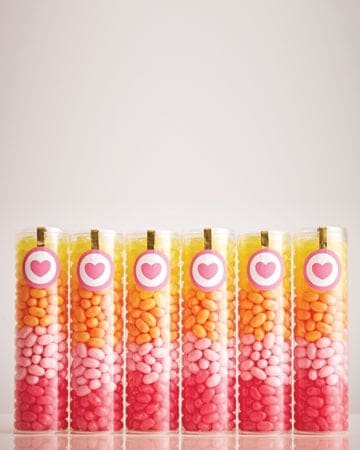
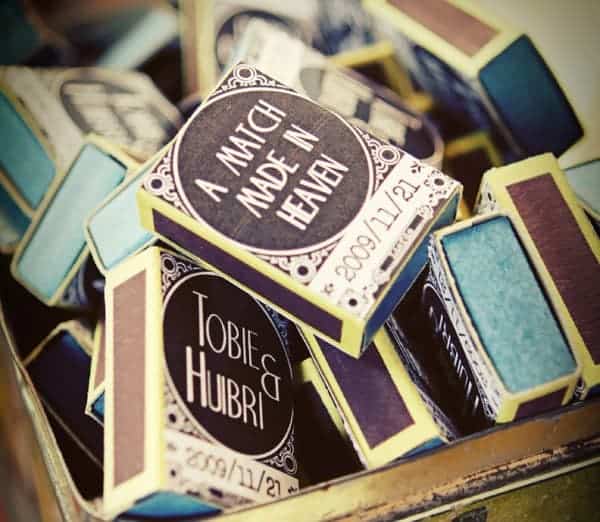
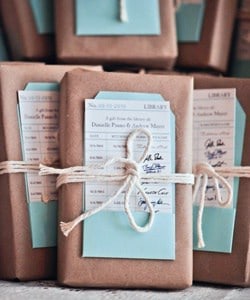
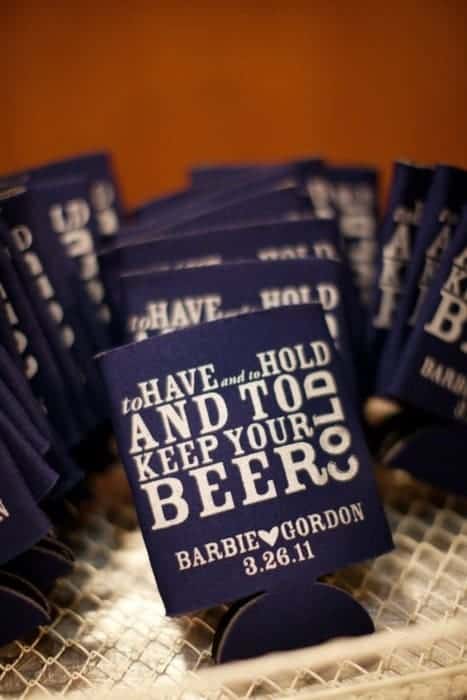
Thinking of giving your guests some fun little favours? Then here’s a few ideas for your special day!
1. Pour some jelly beans into clear tubes and voila! You have some cheap & beautifully coloured favours!
2. Matches are becoming ever more popular in the world of weddings, especially with a clever slogan like these!
3. For the book lovers out there, give the gift of literature!
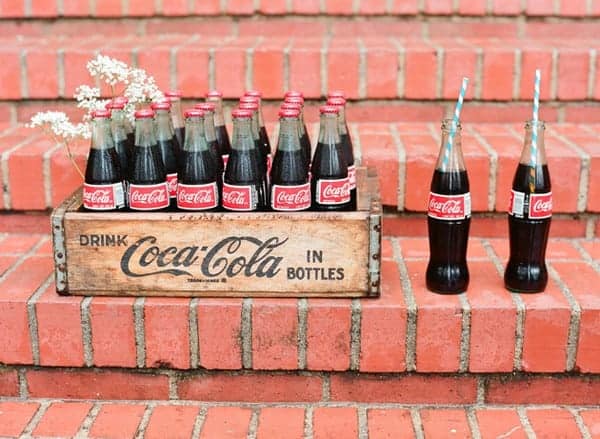
4. Can’t forget to keep the beer cold!
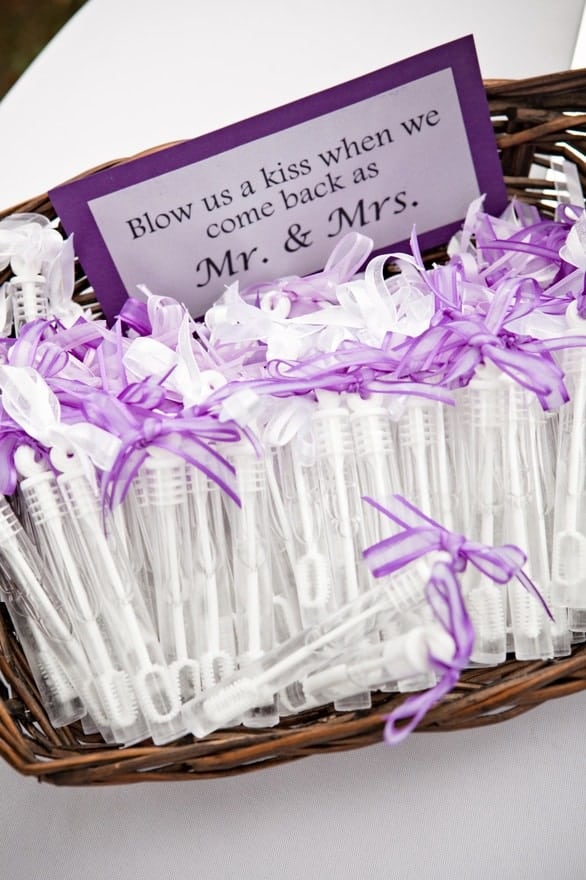
5. Bubbles! Bubbles! Bubbles!
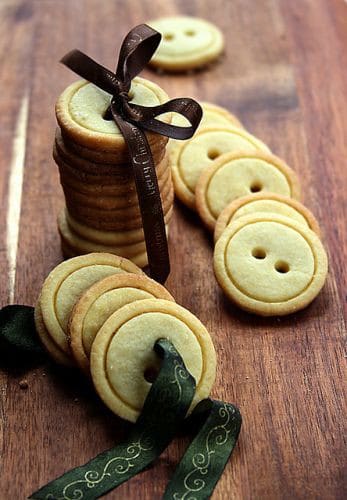
6. We love these mini button cookies!
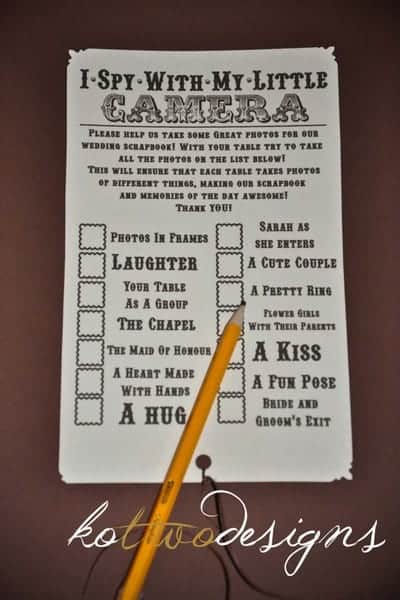
7. Here’s a great way to ensure you get some awesome, personal photos on your wedding day! Dot these cards around the tables for your guests!
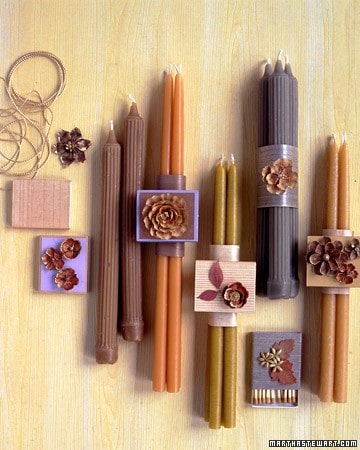
8. Or shed a little light with some candles matching your colour scheme!
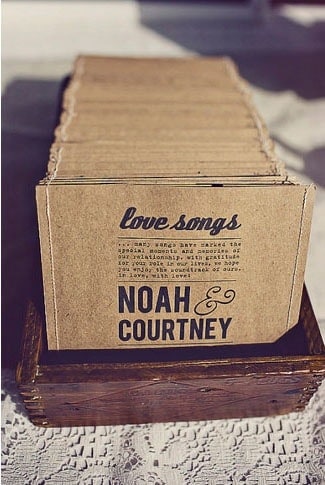
9. This musical couple gave their guests CD’s to take home!
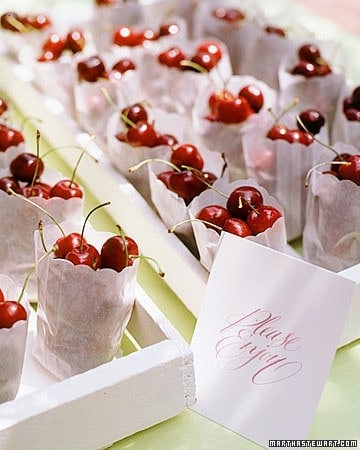
10. For those having a summer wedding why not bag up some colourful fruit?


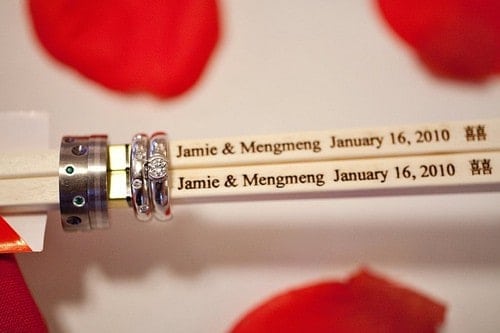
11. If you’re sampling some Chinese cuisine at your wedding then add a personal touch to the chopsticks making them a perfect momentum from your wedding!

Bookmark and Share

Monday, May 5, 2014

DIY e-lookbook


We are thrilled to announce our very first in a series of DIY e-lookbooks.
We have searched through our archives and know that you will find everything you need to make your wedding unforgettable. 

If you do decide to go ahead and DIY:
- Plan ahead and make sure you have time to make everything you need whilst simultaneously planning the rest of your wedding.
- Be selective about what you DIY, choose your projects wisely and play to your strengths.
- Research how to do your project(s) – there are lots of online tutorials, books and blogs.
- Do trial runs and mock-ups first as it could save time and money in the long run.
- Mix and match DIY items with professional services; for example, you could get a friend to design your stationery but then get it professionally printed before you add decorative touches and pack it all together with your own finishing flourish.
- Research our online  DIY stationery.
- Don’t leave too much to do close to your actual wedding day, where possible do it in advance so that you’re not tying ribbon around favour bags on the morning of your wedding.
DIY should be fun, something to look back on and remember fondly. These simple touches can often be the most meaningful to your guests, but don’t forget that no one is expecting you to make your whole wedding! You should only undertake DIY projects if you’ll actually enjoy it, otherwise it’s pointless. There’s a reason that there is a professional industry who do these things all the time and that’s to save you from doing it!
Wise words as always from Wedding Style Guide
Let us know if you have any DIY dilemmas or wedding planning questions – we’re happy to help!

Our ethos at Wedding Style Guide is very practical, our magazine is totally dedicated to helping our readers with the whole occasion, to make the wedding experience fabulous. We focus on directional design and decoration and show the most fashionable trends and concepts to make every wedding unique, as it should be. Our team has worked with hundreds of brides, organised unforgettable weddings and our magazine will give you the secrets. Our stylists are even doing the shopping for you, finding the prettiest, most unusual and decorative accessories for maximum effect.
Our hands-on experience means we have seen it all, so our readers will get an insight into the nuts and bolts that hold a wedding together, a stress-free wedding is all in the planning.  We will always let you in on the stylist’s secrets.
We would like to be your new best friends, showing you the most wonderful options for every detail, your perfect wedding is sure to be found on our pages in every issue.
Visit our website www.weddingstyleguide.com.au and download some of our favourite things.


Bookmark and Share

Wednesday, April 30, 2014

Wedding Cake Tradition

Wedding Cake History
The contemporary wedding cake has grown out of many traditions. One of the first traditions began in Ancient Rome where bread was broken over the bride’s head to bring good fortune to the couple.[2] In Medieval England cakes were stacked as high as possible for the bride and groom to kiss over, if they successfully kissed over the stack they were guaranteed a prosperous life together.[2] From this the Croquembouche was created. The myth behind this cake tells that a Pastry chef, visiting Medieval England, witnessed their tradition of piling sweet rolls between the bride and groom which they would attempt to kiss over without knocking them all down. The pastry chef then went back to France and piled sweet rolls up into a tower to make the first Croquembouche. The modern croquembouche is still very popular in France however it is common to place the croquembouche tower on a bed of cake and make it one of the top tiers of the wedding cake. This traditional French wedding cake is built from Profiteroles and given a halo of spun sugar.[3]
In 1703 a man named Thomas Rich, a baker's apprentice from Ludgate Hill, fell in love with his employer's daughter and asked her to marry him. He wanted to make an extravagant cake, so he drew on St Bride's Church, on Fleet Street in London for inspiration.
Traditionally the bride would place a ring inside the couples portion of the cake to symbolise the acceptance of the proposal.[4] During the mid-17th century to the beginning of the 19th century, the “bride's pie” was served at most weddings. Guests were expected to have a piece out of politeness, it was considered very rude and bad luck not to eat the bride’s pie. One of the traditions of bride’s pie was to place a glass ring in the middle of the dessert and the maiden who found it would be the next to marry, similar to the modern tradition of catching the Flower bouquet. Bride’s pie eventually developed into the bride’s cake. At this point the dessert was no longer in the form of a pie and was sweeter than its predecessor.[5] The bride cake was traditionally a plum or fruit cake, the myth that eating the pie would bring good luck was still common but the glass ring slowly died out and the catching of the flower bouquet took that meaning.[6] The action of throwing the bouquet has its roots in the Ancient Greek myth of the Apple of Discord. Fruit cakes were a sign of fertility and prosperity which helped them gain popularity because all married men wanted to have plenty of children. The bride’s cake eventually transformed into the modern wedding cake that we know today.[2] In the 17th century, two cakes were made, one for the bride and one for the groom. The groom's cake eventually died out and the bride's cake turned into the main cake for the event. When the two cakes were served together, the groom's cake was typically the darker colored, rich fruit cake and generally much smaller than the bride's cake. The bride’s cake was usually a simple pound cake with white icing because white was a sign of virginity and purity.[2] In the early 19th century, when the bride’s cakes were becoming more popular, sugar was coincidentally becoming easier to obtain. The more refined and whiter sugars were still very expensive therefore only the wealthy families could afford to have a very pure white frosting, this showed the wealth and the social status of the family.[7] WhenQueen Victoria used white icing on her cake it gained a new title, royal icing.[8]
Tiered cake with calla lilies, a symbol of purity
The modern wedding cake as we know it now originated at the wedding of Prince Leopold, Duke of Albany, in 1882; his wedding cake was the first to actually be completely edible.[9] Pillars between the cake tiers did not begin to appear until about 20 years later. The pillars were very poorly made from broomsticks covered in icing. The tiers represented prosperity and were a status symbol because only wealthy families could afford to include them in the cake.[2] Prince Leopold’s wedding cake was created in separate layers with very dense icing. When the icing hardened the tiers were then stacked; this method had never been used before, and it was a groundbreaking innovation for wedding cakes at the time. Modern wedding cakes still use this method, but because of the size of today’s cakes, internal support is added to each layer in the form of dowels.

Symbolism[edit]

Royal Wedding Cake from 1858[n 1]
Wedding cakes have been present at wedding ceremonies for centuries. They were not always the focus of the event and often came in different forms, like pies or bread. There has always been a lot of symbolism associated with the wedding cake. The earliest known sweet wedding cake is known as a Banbury cake, which became popular in 1655.[10] During the Roman era unsweetened barley bread was used as the wedding food and the groom would break the piece of bread in half over the brides head symbolizing “breaking of the bride’s virginal state and the subsequent dominance of the groom over her."[5] One of the most obvious symbolic traditions is the cake’s white color to symbolize virginity and purity. The white color has been attached to wedding ceremonies since the Victorian era when Queen Victoria chose to wear a white wedding dress at her wedding to Prince Albert in 1840.[11] Queen Victoria accentuated an existing symbol, the color white is frequently associated with virginity and purity. The wedding cake was originally known as the brides cake therefore the color white became common because the cake needed to reflect the bride.[5]
The cutting of the cake is a task full of symbolism. The cake was originally intended to be distributed among the guests by only the bride because consuming the cake would ensure fertility.[5] As weddings grew and the number of guests increased this task became a joint venture, the groom needed to help cut the growing cake and distribute it among their guests. Layers of cakes began to pile up and the icing would need to support the weight of the cake making is very difficult for one person to cut. The groom would assist the bride in this process. Once this tradition began the bride and groom would share a piece of cake before distributing it to the guests to symbolize their union and their promise to forever provide for each other.[5]

Superstitions[edit]

The wedding cake is surrounded by superstitions. In a traditional American wedding, maidens would be invited to pull ribbons that are attached to the bottom layer of the wedding cake.[12] Out of all the ribbons, only one contains a charm or a ring, and whoever gets the charm will be the next person to marry. In other countries, the wedding cake is broken over the bride’s head to ensure fertility and bring good fortune to the couple.[13] Also, some people today think that eating the crumbs of the wedding cake would give them good luck because the wedding cake symbolizes happiness and good life to the newlywed couple.[14]
There are also myths that most bridesmaids have on dreaming their future husbands. Hopeful bridesmaids would take a piece of cake home and place it under the pillow.[13] Some bridesmaids would sleep with the pieces of cake in their left stocking and the rest are under their pillows after passing the pieces of cake through the bride’s wedding ring.[15]
In the medieval era, wedding cakes were constructed in rolls and buns that were laid on top of each other. The groom and bride would attempt to share a passionate kiss on top of the stack of rolls to ensure fertility and have good fortune. In the 18th century, newlywed couples would try to keep the cake until their first anniversary to prevent them from marriage problems in the future. This is one of the reasons why cakes in the 18th century were made of fruits and blended with wine.[16]

Types of wedding cakes[edit]

Hochzeitstorte, a German wedding cake
In examining types of the wedding cakes, there are traditional wedding cakes, wedding cakes based on flavor, smaller cakes or individual cakes, frosted cakes, and cupcakes. The traditional wedding cakes are white color, including decoration and icing of varieties, such as butter cream, almond. etc. The wedding cakes based on flavor contain selective flavors like chocolate, vanilla, or strawberry. The smaller cakes or individual cakes are efficient in terms of cheap price. The frosted cakes are popular due to a large amount of cream. Cupcakes have a variety of different forms. As this is easy to make, it is one of the most common cakes people have. In modern society, the most popular wedding cake is called “Traditional stack cake”; “this is where each layer of cake – which can be a different flavours to the next layer – is positioned directly on top of the last”.[17] The Traditional stack wedding cake is similar to the traditional cake, both are filled with fleshed flowers offers more visual impact and height. Meanwhile, cakes can be divided by traditional pillars as well, Perspex separators that can include jewels, shells, flowers and the like or can be completely separated by using traditional chrome stands.
Regarding choices of taste, white cake has always been the most traditional wedding cake flavor; moreover, it is able to add flavor content between layers. Chocolate cake is also a choice for weddings. It can either be hidden under white frosting for a classic surface or combined with chocolate icing, drizzle, swirls, or chips.[18] Furthermore, fondant is a creative form of wedding cake that appeared with frosting style, when rolled out and draped over tiers, this smooth, firm sugar icing makes a steady appearance for appliqués, gum-paste flowers, or royal-icing details. Fondant can be cut into designs, formed into shapes, flavored which within the popular choice of white chocolate, or tinted. Poured fondant is used to glaze petits fours and other detailed confections, which makes fondant comes out with a glossy finish and a sweet sugary taste. In addition, there are still several kinds of cake that are popular for wedding, for instance, marble cake, lemon cake, carrot cake, curd, fresh flowers/fruit, ganache, marzipan, meringue, pastillage, and the last one, royal icing is made with sugar and egg white or meringue powder. It can be hard enough to be piped or thinned for “flood work”. Since it hardens quickly, it is ideal for making detailed shapes ahead of time. It can also be piped directly onto cake tiers and works beautifully for delicate work.[1]

Modern adaptations[edit]

A traditional English topper in ceramic, from 1959
Wedding cake toppers are small models that sit on top of the cake, normally a representation of a bride and groom in formal wedding attire. This custom was dominant in US weddings in the 1950s where it represented the concept of togetherness.[19] Wedding toppers today are often figures that indicate shared hobbies or other passions, if they are used at all.[19] Some may be humorous, approaching unusual themes.[20] Wedding cakes can also be decorated with flowers.

In the United Kingdom, the traditional wedding cake is made from a rich fruitcake, although many modern cakes now consist of either vanilla sponge, chocolate sponge or carrot cake. Most cakes are between three and five tiers in height. Among some of the more elaborate cakes one sees in the United Kingdom are those prepared for the Royal Weddings.
Bookmark and Share